

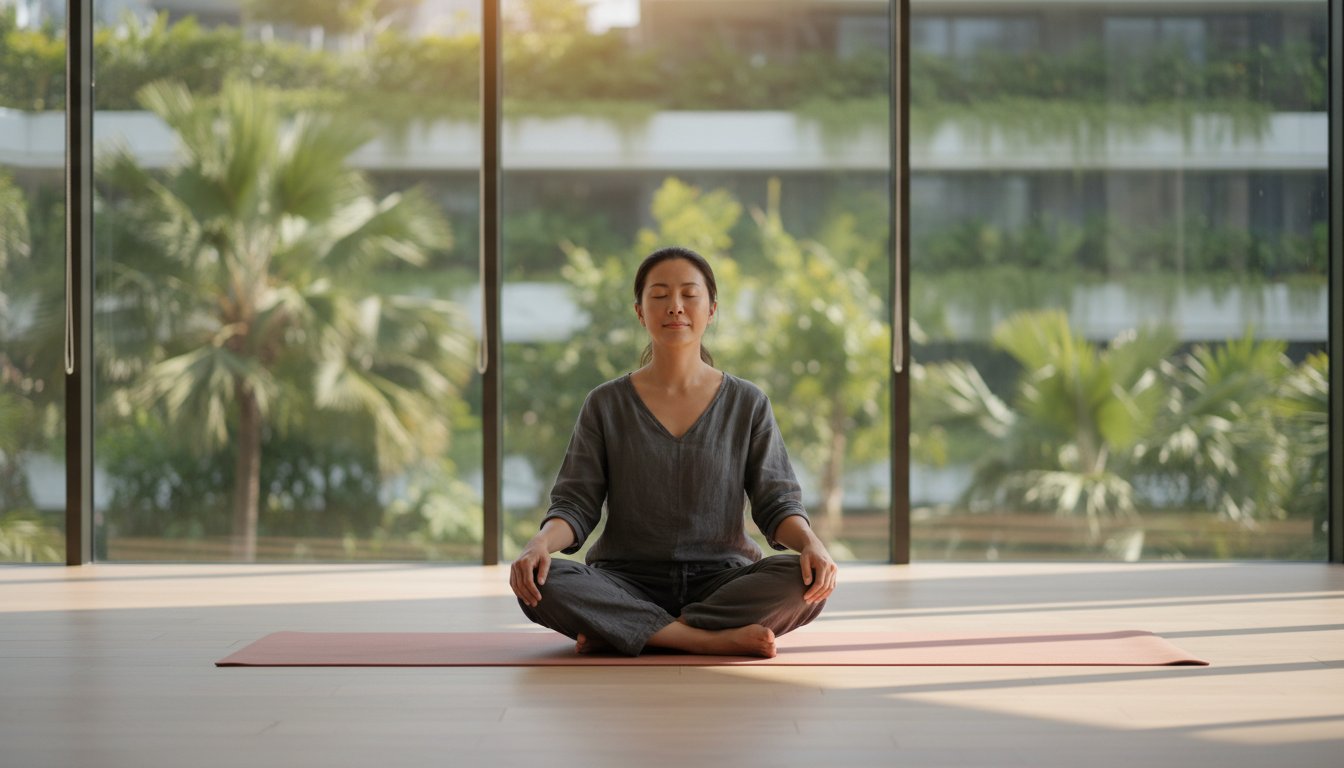
What if the most expensive, picture-perfect wellness getaway is actually the last thing your body needs right now? It is a common trap. With 56% of travelers in 2026 reporting that their primary motivation is simply to rest and recharge, the pressure to find the “perfect” sanctuary is higher than ever. You might feel overwhelmed by the thousands of options available or worried that you are not “advanced” enough to join a group. I understand that fear. It is hard to know if a space will be truly inclusive or just another exclusionary circle that leaves you feeling more drained than when you left home.
I want to help you filter through the marketing fluff and discover how to choose the right yoga retreat that actually meets your physical and emotional needs. We all deserve a safe space for genuine nervous system regulation, led by a teacher who values function over aesthetic achievements. In this guide, we will explore how to identify grounded instructors and ensure you return home with practical tools for your daily life. We are going to move past the mystical tropes and focus on finding a retreat that offers a real, human connection and a lasting sense of steady, quiet confidence.
Key Takeaways
- Learn to distinguish between a social holiday and a transformative retreat designed for intentional physiological rest and self-reflection.
- Discover how to choose the right yoga retreat by matching the intensity of practices like Kundalini or TRE to your current nervous system state.
- Identify the essential traits of a humble guide who uses inclusive language to make the practice functional for your unique physical needs.
- Apply a practical filter to logistics and budget to ensure the environment and costs align with your internal goals for the trip.
- Explore how a grounded approach to wellness provides you with actionable tools to maintain your sense of balance long after you return home.
What is a Wellness Retreat? Defining the Space Between Vacation and Transformation
I often hear people ask if a retreat is just a vacation with more downward dogs. It is a fair question. To understand What is a Wellness Retreat?, we have to look at the intention behind the trip. A vacation is often about distraction, consumption, or seeing as many sights as possible. An intentional retreat, however, is a container designed for deep self-reflection and physiological rest. It creates a dedicated space where you can finally hear your own thoughts without the noise of daily life. When you are looking into how to choose the right yoga retreat, the first step is deciding if you want a social “yoga holiday” or a transformative “healing retreat.” A holiday is active and perfect for exploring a new place. A healing retreat is internal. It is for when your nervous system feels fried and you need to reset your baseline.
Stepping out of your routine is not just a luxury. It is a biological necessity for habit change. Our brains build efficient pathways for our daily habits, many of which involve high-stress responses. By removing familiar triggers, you give your brain the chance to build new pathways. This is the heart of neuroplasticity. My goal as a guide is to facilitate this by creating a safe, inclusive environment where all bodies feel supported. We prioritize the internal sensation of the movement rather than just the visual outcome. This approach ensures that the practice remains functional and sustainable for your body over the long term.
The Core Elements of a Genuine Retreat
A real retreat focuses on a few non-negotiables. We provide structured practice schedules that respect your energy levels. We don’t believe in pushing you to exhaustion; instead, we focus on movements that support your structural positioning. We also prioritize mindful nourishment that supports mental clarity and physical vitality. Finally, you join a community of like-minded individuals. We aren’t looking for performative perfection. We are seeking authentic human connection that makes the practice feel attainable for everyone in the room.
Why a Retreat is Not Just ‘Expensive Yoga’
Think about the difference between a once-a-week studio class and a multi-day immersion. In a studio, you often rush in and out. In an immersive setting, you have the space to integrate what you learn. With 56% of travelers in 2026 citing “rest and recharge” as their primary goal, the “reset” effect offers a significant return on investment for your mental health. We also remove daily decision fatigue. You don’t have to worry about what to eat or where to go. You just have to show up and let the process support you.
Defining Your Intent: What Does Your Nervous System Actually Need?
When I talk to students about booking a getaway, I always start with a simple question: How does your body actually feel right now? Most people choose a destination based on the aesthetic of the infinity pool or the proximity to a beach. However, if you want a trip that actually changes how you feel on a random Tuesday morning three weeks later, you need to look at your internal state first. Understanding what your nervous system actually needs is the most important part of learning how to choose the right yoga retreat.
Are you currently stuck in “fight or flight,” where your heart races and your mind won’t shut off? Or are you in “freeze,” feeling heavy, unmotivated, and physically numb? If you are vibrating with high anxiety, a high-intensity retreat might actually backfire. You likely need “Rest” through practices like meditation and mantra to bring your baseline down. On the other hand, if you feel stagnant and stuck, you might need to “Recharge” using more active tools like Kundalini Yoga or Tension & Trauma Releasing Exercises (TRE). Pushing through your limits is counterproductive. True somatic safety means listening to those internal cues rather than trying to match the person on the mat next to you. We focus on the internal sensation of the movement, ensuring you don’t overtax an already stressed system.
Setting realistic expectations for the duration of your stay is also vital. A 3-day experience is a fantastic reset for a busy week. It gives you a moment to breathe and a break from decision fatigue. A 7-day experience, however, allows for real neuroplasticity to take root. It gives your body enough time to realize it is actually safe to let go of old survival patterns. When considering how to choose the right yoga retreat, ask yourself how much time your body truly needs to uncoil.
Rest vs. Transformation: Which One is for You?
If you are dealing with adrenal fatigue or total physical exhaustion, focus on retreats that prioritize stillness. These are “Rest” experiences. If you feel like you are at a crossroads or seeking a deeper sense of purpose, you are likely ready for a “Transformation” retreat. Many of my Reset-Recharge-Retreats are designed to balance both. We start by calming the system and then slowly introduce tools for deeper work as your capacity grows.
The Role of Group Energy
There is something powerful about the “collective field” of a group practice. When we move and breathe together, it often accelerates the individual healing process. I know this can be intimidating for introverts. That is why I prioritize a balance between community and solitude. Radical inclusivity means everyone is welcome, no matter their skill level or physical needs. When the group dynamic is grounded and non-judgmental, it creates a safer space for everyone to explore their own journey without the pressure of performative perfection.

The Teacher Connection: Finding a Guide, Not Just an Instructor
I believe humility is the most important trait in a guide. A teacher should be a lifelong student, someone who is eager to share their discoveries rather than positioning themselves as an untouchable authority figure. This distinction is vital when you are researching how to choose the right yoga retreat. You want a mentor who prioritizes your structural positioning and internal experience over how a pose looks in a social media post. A grounded guide understands that the goal isn’t to achieve a perfect shape; it’s to support your body throughout a lifetime.
Safety is a major factor in The Practical Filter for any wellness journey. When you evaluate a potential retreat, look for a teacher who uses inclusive language that welcomes all physical needs. If the instructor focuses only on advanced transitions without offering modifications, it’s a sign they might value performance over your long-term well-being. I always encourage students to look for trauma-informed guidance, especially when the retreat involves deep somatic work. A knowledgeable guide will explain the physical mechanics of a movement and help you build confidence in your own body’s ability to regulate.
Grounded Guide vs. Spiritual Performer
I often see “spiritual performers” who rely on overly mystical jargon and hierarchical vibes. Red flags include a lack of anatomical cues or a “no pain, no gain” attitude. On the other hand, green flags include down-to-earth language and a focus on how a movement feels internally. A great guide builds personal rapport and creates a steady, encouraging energy. If you aren’t sure about a teacher’s style, booking private healing sessions is a great way to vet their approach before you commit to a full retreat. It’s a low-pressure way to see if their teaching style matches your needs.
Specialized Practices: Kundalini and TRE®
When we work with specialized tools, the quality of guidance becomes even more critical. Understanding the depth of kundalini yoga requires a guide who can explain the practice as a transformative tool for real people, not just a series of cryptic rituals. Similarly, the power of tension & trauma releasing exercises lies in the ability to safely “shake off” stress in a supportive environment. These somatic tools are about building resilience and longevity. They provide you with practical, functional methods to manage your nervous system long after the retreat ends. Finding the right guide ensures you learn these techniques correctly and safely.
The Practical Filter: Logistics, Budget, and Environment
Once you’ve vetted your guide and checked in with your nervous system, it’s time to get into the nuts and bolts. This is where the practical filter comes in. Learning how to choose the right yoga retreat involves looking past the marketing brochures to see if the logistics actually support your well-being. I’ve seen many students get excited about a destination only to find that the travel stress cancels out the benefits of the practice. We want to avoid that. Your logistics should act as a supportive container, not another source of anxiety.
Location is a great place to start. A 2026 report indicates that 67% of American travelers are specifically seeking nature immersion. This isn’t just a trend; it reflects a deep need to mirror our internal quiet with our external surroundings. If you’re looking for deep regulation, a secluded forest or coastal spot will likely serve you better than a busy urban center. You should also consider the duration of the trip. For many of the busy professionals I work with, a long weekend is often more sustainable than a full week. It’s enough time to reset without the stress of a massive backlog of emails waiting for you. Finally, check if the organizer offers a post-retreat plan. A grounded guide doesn’t just wave goodbye at the airport; they provide practical tools to help you carry the practice into your daily life.
Evaluating the Venue and Amenities
Does the venue support quiet reflection or is it just a busy resort with a yoga room? I’m a big fan of digital detoxes. When you’re encouraged to unplug, you give your brain a chance to move out of reactive mode. We also need to talk about room styles. Shared rooms are wonderful for building community, but if you’re doing deep somatic work, you might need the privacy of your own room to process and integrate. There is no right or wrong choice here, only what feels safest for you.
Travel and Accessibility
Minimizing travel stress is vital for a successful reset. Sometimes a national retreat is more effective than an international one simply because you don’t have to deal with jet lag or long flight delays. When it comes to packing, please don’t feel like you need fancy apparel. We value the internal sensation of the movement, not the brand of your leggings. Your most comfortable, well-worn clothes are always the best choice. Transparency in pricing is also essential. You should know exactly what’s included, from meals to materials, so you don’t have to worry about hidden costs during your stay.
If you’re looking for a grounded, inclusive experience that prioritizes your comfort over performance, take a look at our upcoming Reset-Recharge-Retreats.
Finding Your Fit with Yoga with Adam: Reset-Recharge-Retreats
I’ve spent years refining an approach that moves away from performative yoga and toward something more functional for everyday life. When I think about how to choose the right yoga retreat, I believe the most important factor is finding a space where you feel safe to be exactly who you are. My “Yoga with Adam” philosophy is built on being accessible, grounded, and radically inclusive. We don’t care if you can touch your toes or if you’ve never heard of a mantra. We care about your comfort, your structural positioning, and your long-term well-being. This is about building a practice that supports you for a lifetime, not just for a weekend.
Our Reset-Recharge-Retreats aren’t your typical yoga holidays. While a holiday might leave you with some nice photos, our goal is a full-system reset that changes your baseline. We combine the rhythmic energy of Kundalini Yoga with the somatic release of Tension & Trauma Releasing Exercises (TRE) and the quiet grounding of Meditation & Mantra. This combination targets the nervous system from multiple angles, helping you uncoil from deep-seated stress and building a sense of steady, internal confidence. We also don’t leave you hanging once the retreat ends. I provide practical tools and frameworks to help you transition back into your daily routine without losing that sense of calm. It’s about taking the retreat home with you.
A Supportive and Encouraging Vibe
We maintain a strictly “no pressure” environment. You don’t need to be “good” at yoga to join us; you just need to show up as you are. I keep our group sizes small to ensure I can offer personal mentorship and a genuine human connection to every student. This intimacy allows us to focus on holistic mental wellness rather than chasing aesthetic achievements. We prioritize how your body feels from the inside out, ensuring the practice is sustainable for you for years to come. By focusing on internal sensation, we remove the competition and replace it with communal support.
Upcoming Opportunities for Transformation
We offer a mix of regional and international retreat locations, each chosen to provide a steady, natural backdrop for your journey. Whether you’re looking for a quick weekend reset or a deeper immersion, we have options that fit into a busy life. If you’re still wondering how to choose the right yoga retreat for your specific needs, I invite you to book a discovery call. It’s a low-pressure way for us to chat and see if our methodology aligns with your goals. With the wellness tourism market projected to reach $1.06 trillion in 2026, there are more choices than ever. Now is the perfect time to stop scrolling and prioritize your nervous system with a guide you can trust.
Ready to Prioritize Your Internal Well-being?
You now have the tools to look past the glossy infinity pools and focus on what truly matters for your health. We’ve explored how a genuine retreat acts as a container for rest and why finding a humble, grounded guide is essential for your somatic safety. Understanding how to choose the right yoga retreat comes down to listening to your body’s cues rather than following a trend. It is about choosing a practice that supports your longevity and respects your unique physical needs.
I have spent over 10 years dedicated to somatic healing and have led dozens of transformative retreats across Asia and Europe. My mission is to provide an inclusive, down-to-earth environment where you don’t have to perform or pretend. You deserve a space that facilitates a real nervous system reset. If you are ready to step away from the noise and reconnect with your steady center, I would love to welcome you into our community.
Explore upcoming Reset-Recharge-Retreats with Adam and take the first step toward a more functional, balanced life. You don’t need to be perfect to start; you just need to show up for yourself.
Frequently Asked Questions
Do I need to be ‘good’ at yoga to attend a retreat?
You don’t need any prior experience or specific “skill” to join us. We value functional movement and internal sensation over aesthetic achievements or flexibility. Whether you are a lifelong student or picking up a mat for the first time, our goal is to make the practice accessible for all bodies. We focus on how your body feels from the inside out rather than how a pose looks from the outside.
How much does a typical yoga retreat cost in 2026?
In 2026, prices for a week-long experience generally range from $500 to over $4,000. Budget-friendly options often sit between $500 and $1,000, while mid-range experiences typically fall between $1,000 and $2,500. Luxury retreats can exceed $4,000. When researching how to choose the right yoga retreat, always check what is included, such as meals and transport, to ensure the total cost fits your personal budget and expectations.
What should I pack for my first wellness retreat?
Pack for comfort and functionality rather than style. You don’t need expensive or “fancy” yoga apparel to benefit from a retreat. I recommend bringing comfortable layers, a reusable water bottle, and a journal for self-reflection. If we are heading into nature, bring sturdy walking shoes for grounding walks. Most importantly, bring an open mind and a willingness to unplug from your digital devices for a few days.
Can I attend a retreat alone, or should I go with a friend?
Attending alone is incredibly common and often preferred by those seeking deep self-reflection. While coming with a friend can be supportive, traveling solo allows you to focus entirely on your own nervous system without social pressure. You’ll find a welcoming community of like-minded individuals waiting for you. We prioritize a balance between shared group energy and the necessary personal solitude required for a true reset.
What happens if I’ve never tried Kundalini Yoga or TRE before?
You are welcome exactly as you are, even if these practices are entirely new to you. I specialize in making Kundalini Yoga and TRE accessible for real people with diverse physical needs. We move slowly and provide clear instructions on the physical mechanics of every movement. Our environment is supportive and encouraging, ensuring you feel safe while exploring these transformative somatic tools for the very first time.
Is it normal to feel emotional or tired during a retreat?
It is completely normal to feel a range of emotions or a sense of deep tiredness. As your nervous system begins to regulate and release stored tension, your body might finally feel the weight of the exhaustion you’ve been carrying. We view this as a positive sign of progress and healing. We encourage you to listen to these internal cues and rest whenever you need to during our time together.
How do I know if a retreat is ‘trauma-informed’?
A trauma-informed retreat prioritizes your choice, agency, and physical safety at every step. Look for a guide who uses invitational language and avoids forced physical adjustments or “no pain, no gain” mentalities. A grounded instructor will explain the purpose behind movements and create a space where you feel empowered to opt out of anything that doesn’t feel right. Humility and transparency are key indicators of a safe environment.
What is the difference between a retreat and a teacher training?
A retreat is an intentional space for personal transformation and rest, while a teacher training is a professional qualification. Our Reset-Recharge-Retreats focus on your individual journey and providing practical tools for your daily life. It’s important to note that we do not sell or offer yoga teacher training (YTT). Our programs are designed solely for your own healing and rejuvenation rather than preparing you to instruct others professionally.